How do I teach my child personal hygiene?
Personal hygiene for children is one of the most important habits that should be instilled from the child’s early years. It is not only related to outward appearance, but also directly affects the child’s physical, psychological, and social health. A child who learns to care for their hygiene from an early age becomes more aware of their body and health, and better able to protect themselves from diseases and infections.
In light of the spread of many diseases linked to poor hygiene, teaching children healthy habits has become a daily necessity at home and at school. Reports issued by the World Health Organization and UNICEF indicate that handwashing and personal hygiene care are among the most effective ways to prevent infections and contagious diseases. However, teaching a child hygiene requires an enjoyable, gradual approach that suits the child’s age and stage of development, and it should not be based on instructions alone.
In this article, we will take you through a comprehensive guide to the concept of personal hygiene for children and its types, the most important rules that should be taught to the child, in addition to suitable tools and the challenges that parents may face during training.
Explaining the Concept of Personal Hygiene for Children
The concept of personal hygiene refers to a set of daily habits that a child performs to maintain the cleanliness of their body and health and protect themselves from germs and diseases. These habits include washing hands, brushing teeth, bathing, caring for hair and nails, and wearing clean clothes. In their early years, children do not automatically understand the importance of hygiene; therefore, they need guidance and repetition until these behaviors become part of their daily routine. The earlier the teaching begins, the easier it is for the child to naturally acquire these skills.
The concept of personal hygiene for children is not limited to the health aspect only; it also extends to boosting the child’s self-confidence and sense of comfort when interacting with others. A clean child feels more comfortable at school and is more socially accepted among friends. Personal hygiene also helps strengthen a child’s independence; when they learn to wash their hands or brush their teeth by themselves, they begin to feel responsible and self-reliant. UNICEF affirms that teaching children healthy behaviors from an early age helps improve their overall health and reduce the spread of diseases within society.
Different Types of Personal Hygiene for Children
There are several types of personal hygiene that a child should learn gradually, and each type plays an important role in maintaining their health. Here is a detailed explanation of these types:
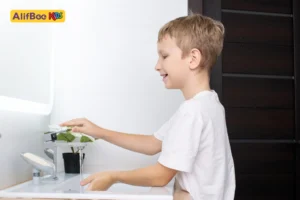
- Hand hygiene: Hand hygiene is considered one of the most important healthy habits that should be taught to children, because hands easily transfer germs from surfaces to the mouth or eyes. Therefore, the child must be taught to wash their hands before eating, after using the bathroom, and after playing.
- Oral hygiene: Brushing teeth daily protects the child from cavities, gum inflammation, and bad breath. It is best to train the child to brush their teeth twice a day using a toothbrush and toothpaste suitable for their age.
- Body hygiene and bathing: Bathing helps remove dirt, sweat, and bacteria from the child’s body and keeps the skin and hair healthy. The number of baths varies depending on the child’s age and activity level, but what matters is consistency and paying good attention to cleaning sensitive areas.
- Hair hygiene: A child’s hair needs regular cleaning using a shampoo suitable for children, especially with sweating and play every day. Brushing the hair regularly also helps prevent tangles and detect any problems such as lice early.
- Nail hygiene: Germs easily gather under long nails; therefore, the child’s nails should be trimmed regularly and they should be taught not to bite them.
- Clothing hygiene: Wearing clean clothes is an essential part of children’s personal hygiene, especially underwear and socks, which should be changed daily.
The Most Important Personal Hygiene Rules to Teach a Child
Teaching a child hygiene rules requires patience and consistency, as children learn more through observation and repetition than through direct instruction. Here are the most important personal hygiene rules:
- Make hygiene part of the daily routine: Children love a clear routine, so it is helpful to set fixed times for washing hands, bathing, and brushing teeth
- Be a role model for your child: A child imitates their parents greatly; therefore, when they see you caring for your personal hygiene, they will try to imitate you automatically.
- Use encouragement: Use encouraging words and simple rewards to motivate the child to stick to healthy habits instead of scolding.
- Explain the reasons in a simple way: It is important for the child to understand why they should wash their hands or brush their teeth. This can be explained in a way suitable for their age, such as: washing hands removes germs that cause illness.
- Use games and stories: Enjoyable learning helps the child engage more. Songs, picture stories, or turning bath time into a fun activity can be used.
- Teach your child privacy and personal hygiene: As the child grows older, they should be taught the importance of cleaning their body by themselves and respecting the privacy of their body.
- Do not expect perfection quickly: Acquiring healthy habits takes time, and the child may forget or refuse sometimes, but persistence and repetition make the difference.
Personal Hygiene Tools for Children
Choosing the right hygiene tools helps the child engage better with the daily routine. Here is an explanation of personal hygiene tools for children:
- Toothbrush: It is preferable to choose a soft, colorful toothbrush that suits the child’s age, as colors and cartoon characters encourage use.
- Toothpaste: A toothpaste containing an appropriate fluoride level for the child’s age should be used, while making sure it is not swallowed.
- Children’s soap and wash: It is preferable to choose products that are gentle on the child’s skin and free from harsh ingredients and strong fragrances.
- Shampoo: It is preferable to use a shampoo designed for children that does not sting the eyes.
- Dedicated towel: It is best for each child to have their own towel to maintain cleanliness and prevent the spread of infection.
- Nail clippers: Safe, child-appropriate tools should be used to trim nails easily
- Tissues and sanitizers: These can be kept in the child’s bag for use outside the home when needed.
Teach Your Child the Principles of Personal Hygiene with Alif Baa Kids
Teaching personal hygiene to children is not limited to daily instructions; it needs an enjoyable educational approach that helps the child understand and apply it easily. This is where interactive educational content comes in, making learning more fun and impactful. Through the Alif Baa Kids app, children can learn many daily skills and positive behaviors in a fun way suited to their ages, through stories, games, and educational activities in Arabic.
Using purposeful educational apps helps children acquire health and behavioral concepts indirectly, and makes learning part of their daily life without pressure or boredom. Linking hygiene to stories, songs, and interactive situations also enhances the child’s understanding of the importance of caring for themselves and encourages them to stick to healthy habits consistently.
In Conclusion
Personal hygiene remains one of the most important life skills that a child should learn from their early years. The small healthy habits we instill today will stay with them throughout their life and help them grow up healthy, confident, and independent. Start with simple steps, be a role model for your child, and use enjoyable methods that suit their personality and age. Over time, you will notice how hygiene becomes a natural part of their day.
And do not forget that enjoyable learning makes a big difference in a child’s life; therefore, you can benefit from the Alif Baa Kids app to teach children Arabic and positive behaviors in an interactive way that helps them learn in a way they love.