At a Glance: Colors in Arabic for kids are a useful first vocabulary set because children can see and practice them everywhere. Start with common color words such as aḥmar, azraq, akhḍar, aṣfar, abyaḍ, and aswad. This guide gives parents clear pronunciation help, child-friendly phrases, and simple games for daily practice at home or in class.
Why Teach Arabic Colors to Kids Early?
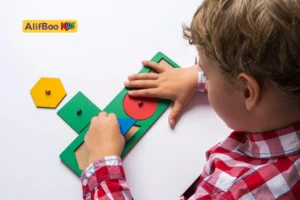
Colors are easy to notice, easy to point to, and easy to repeat during everyday family life. Your child can practice a color word while choosing a T-shirt, sorting blocks, drawing a sun, or picking fruit at snack time. That makes colors a gentle and practical first vocabulary group. Instead of asking your child to memorize a list, you can help them hear the word, see the color, and use it in a real-life moment.
That matches a simple idea in early vocabulary learning: children remember words more easily when they hear them in real situations. When teaching Arabic colors, connect each word to things your child can see, touch, choose, and name.
Basic Colors in Arabic for Kids
Start with a small set of everyday colors. For young children, teach the basic form first and use it in recognition, pointing, matching, and coloring activities. Later, your child can learn that some color words change depending on the nouns they describe. In the beginning, confidence matters more than grammar. Pair each word with something familiar, such as a red apple, blue sky, green grass, white milk, or brown chocolate.
If your child is still building their first Arabic vocabulary, check Top 100 Arabic Words Every Child Should Learn First so you can teach useful nouns, verbs, and everyday words.
| Meaning | Pronunciation | Arabic |
|---|---|---|
|
color |
lawn |
لَوْن |
|
colors |
alwān |
أَلوَان |
|
red |
aḥmar |
أَحْمَر |
|
blue |
azraq |
أَزْرَق |
|
green |
akhḍar |
أَخْضَر |
|
yellow |
aṣfar |
أَصْفَر |
|
orange |
burtuqālī |
بُرْتُقَالِي |
|
purple / violet |
banafsajī |
بَنَفْسَجِي |
|
pink |
wardī |
وَرْدِي |
|
white |
abyaḍ |
أَبْيَض |
|
black |
aswad |
أَسْوَد |
|
brown |
bunnī |
بُنِّي |
|
gray |
ramādī |
رَمَادِي |
|
sky blue / light blue |
samāwī |
سَمَاوِي |
|
navy / dark blue |
kuḥlī |
كُحْلِي |
How to Pronounce Arabic Colors Clearly
Use simple listen-repeat-point practice. Say one color slowly, point to an object, and ask your child to repeat it only when they feel ready.
A few Arabic sounds can be challenging and may need more patience, such as:
- ḥ (ح): it is deeper than English h,
- ṣ (ص) and ḍ (ض): they sound heavier than other letters,
- kh (خ): it is similar to the sound in some pronunciations of loch,
- q (ق): it is produced at the back of the mouth.
Model the sounds and keep practice light, short, and playful.
Do Arabic Color Words Change?
Yes, many Arabic color words have masculine and feminine forms because they describe nouns. You can help your child recognize different forms through repetition instead of grammar explanations.
Start with these 6 basic colors:

| Meaning | Pronunciation | Arabic |
|---|---|---|
|
red, masculine / feminine |
aḥmar / ḥamrāʾ |
أَحْمَر / حَمْرَاء |
|
blue, masculine / feminine |
azraq / zarqāʾ |
أَزْرَق / زَرْقَاء |
|
green, masculine / feminine |
akhḍar / khaḍrāʾ |
أَخْضَر / خَضْرَاء |
|
yellow, masculine / feminine |
aṣfar / ṣafrāʾ |
أَصْفَر / صَفْرَاء |
|
white, masculine / feminine |
abyaḍ / bayḍāʾ |
أَبْيَض / بَيْضَاء |
|
black, masculine / feminine |
aswad / sawdāʾ |
أَسْوَد / سَوْدَاء |
For example, you can say: “This is aḥmar,” “Find azraq,” or “Color it akhḍar” when introducing the basic form. Then, give longer examples using the two forms, like:
| Meaning | Pronunciation | Arabic |
|---|---|---|
|
This ball is red. |
hādhihi al-kuratu ḥamrāʾ |
هذ الكرةُ حَمْرَاء |
|
This book is blue. |
hādhā kitābun azraq |
هذا كتابٌ أَزْرَق |
|
A green tree |
shajaratun khaḍrāʾ |
شجرةٌ خَضْرَاء |
When your child hears more Arabic in stories, songs, and classroom phrases, the patterns will start to feel more natural.
Easy Arabic Phrases to Teach Kids Colors
Short phrases help children move from single words to real communication. You can ask simple questions during coloring time, playtime, or while choosing clothes.
| Meaning | Pronunciation | Arabic |
|---|---|---|
|
What color is this? |
mā lawnu hādhā? |
مَا لَونُ هذَا؟ |
|
This is red. |
hādhā aḥmar. |
هذَا أَحْمَر. |
|
This is blue. / This feminine object is blue. |
hādhihi zarqāʾ. |
هذِهِ زَرقَاء. |
|
I like the color green. |
uḥibbu al-lawna al-akhḍara. |
أُحِبُّ اللَّوْنَ الأَخضَرَ. |
|
Where is the yellow color? |
ayna al-lawnu al-aṣfar? |
أَينَ اللَّونُ الأَصفَرُ؟ |
|
Color the circle red. |
lawwin ad-dāʾirata bil-lawni al-aḥmar. |
لَوِّن الدَّائِرَةَ بِاللَّونِ الأَحمَرِ. |
|
Choose the color you like. |
ikhtar al-lawna alladhī tuḥibbuhu. |
اختَرِ اللَّوْنَ الَّذِي تُحِبُّهُ. |
Do not worry if your child answers with one word at first or if they answer with English instead of Arabic. That is still a useful practice. Repeat the full phrase yourself, smile, and keep the moment easy.
Fun Ways to Practice Arabic Colors at Home
Try these simple ideas to make Arabic colors part of your child’s day:
- Go on a Color Hunt: Ask your child to find something aḥmar, then azraq, then akhḍar. You can play this at home, in the car, or during a short walk.
- Sort Everyday Objects by Color: Use blocks, crayons, socks, toy cars, or puzzle pieces. Ask your child to group them by color, then repeat the color name together.
- Use Snack Time for Color Practice: Connect colors to familiar fruit: red strawberries, yellow bananas, green apples, and orange slices. For more food vocabulary, you can start by teaching Fruits in Arabic for Kids.
- Practice with Coloring Pages: During quiet time, give your child a simple coloring page. Before each crayon choice, say one color word and let your child pick the matching crayon.
- Sing an Arabic Colors Song: Songs help children remember through rhythm and repetition. Choose a short Arabic song about colors, pause after each color, and ask your child to point to something of that color.
- Connect Colors to More Arabic Listening: If your child enjoys songs, check a nice color song in Top 15 Songs for Kids in Arabic.
A 7-Day Arabic Colors Routine for Kids
A short routine works better than one long lesson. Try one small task each day, then repeat favorite games the following week. The aim is not to finish a list. The aim is to help your child hear color words often enough that they become familiar.
| Day | Practice Idea |
|---|---|
|
Day 1 |
Practice aḥmar and azraq with toys or crayons. |
|
Day 2 |
Practice akhḍar and aṣfar with fruit, leaves, or drawings. |
|
Day 3 |
Practice abyaḍ and aswad with clothes, paper, or animal pictures. |
|
Day 4 |
Use color words during snack time. |
|
Day 5 |
Ask your child to choose clothes by color. |
|
Day 6 |
Draw a picture and name three colors together. |
|
Day 7 |
Play a review game: “Find something…” with all learned colors. |
Common Mistakes to Avoid
- Teaching too many colors at one time. Start with two to four words.
- Correcting pronunciation too sharply. Instead, model the word again.
- Using only flashcards. Add movement, drawing, food, clothes, and toys.
- Starting with grammar too early. Let recognition and confidence come first.
- Practicing once, then stopping. Short, repeated practice matters more than one perfect lesson.
Final Word
Colors are a small but powerful starting point for Arabic practice. Keep the first lessons short, repeat the words in real moments, and help your child connect Arabic to play, art, food, clothes, and stories. Small steps matter when they happen often.
Learn with AlifBee Kids
Want a playful way for your child to practice Arabic colors and more everyday vocabulary? AlifBee Kids helps children learn through songs, stories, games, and guided activities that make Arabic feel natural and fun at home.
FAQs
What are the basic colors in Arabic for kids?
The basic colors to teach first are aḥmar, azraq, akhḍar, aṣfar, abyaḍ, aswad, burtuqālī, wardī, bunnī, ramādī, and banafsajī. Do not introduce all of them at once. Start with the colors your child sees most often, then gradually add new words.
What is the easiest way to teach Arabic colors to kids?
The easiest way is to use color words in real situations. Try color hunts around the house, sorting toys, choosing clothes, fruit baskets, coloring pages, and short songs. Children remember words more easily when they are connected to things they can see, touch, choose, or move.
Do Arabic color words change?
Yes, many Arabic color words can change because they describe nouns. This is normal in Arabic. For young children, do not begin with a full grammar rule. Let them recognize the basic color words first, then notice masculine and feminine forms later through repeated examples.
How many Arabic colors should a child learn at once?
Two to four colors are enough at the beginning. A child who can recognize and use a few words confidently will learn more easily later. Add new colors once your child can point to, choose, or name the first set during play.