How Do I Teach My Child Table Manners?
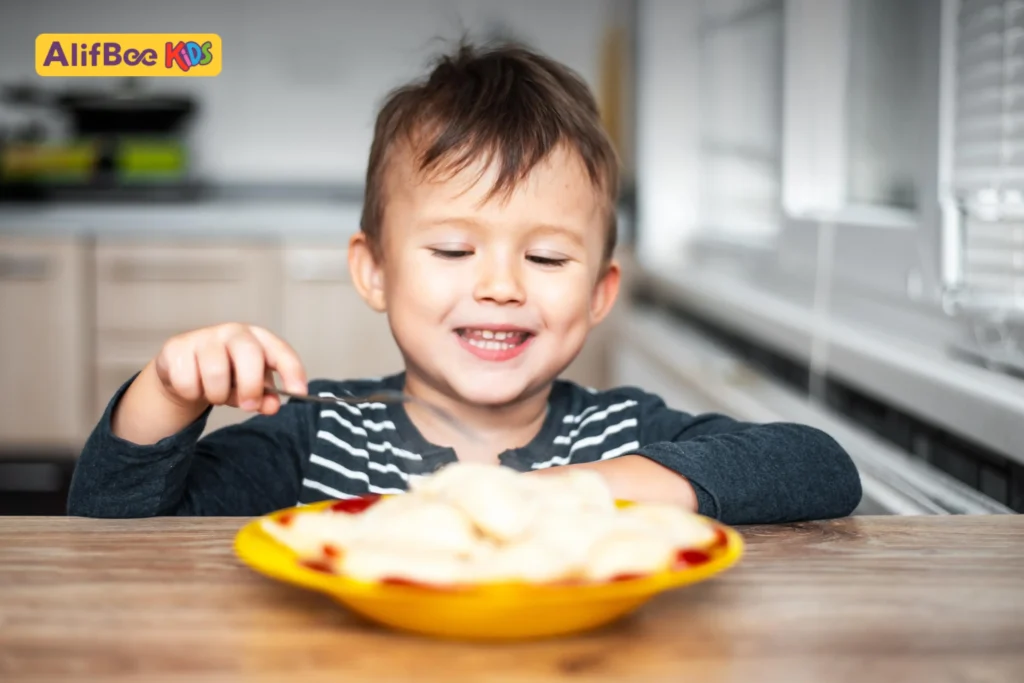
Table manners for children are an important part of raising a child from an early age. They are not limited to how to eat, but also include the behaviors and values that a child acquires while sitting at the table, such as respect anddiscipline and consideration for others. Teaching a child these early behaviors contributes to shaping their personality in a balanced way and prepares them for healthy social interaction later in school and society. Furthermore, focusing on teaching children table manners helps them respect food, understand the importance of cleanliness and health, and develop healthy eating habits that last throughout their lives.
In this blog article, we will review the definition of table manners for children, their importance, practical ways to teach them, tips for reinforcing correct behaviors, and clarify the role of the family and educational platforms in supporting these skills.
What Are Table Manners for Children?
Table manners for children include a set of rules and behaviors that regulate how food is eaten at home or outside, and aim to teach the child respect for the table and society. These manners include using utensils correctly such as a fork and spoon, sitting quietly while eating, waiting until everyone is finished before leaving, not talking with a full mouth, in addition to maintaining personal hygiene and not touching food directly with hands until they are washed. These habits are not limited to outward appearance but reflect values such as respect, patience, and appreciation for food and others, and are considered a foundation for forming healthy social behaviors in the future.
The Importance of Teaching Table Manners to Children
Teaching a child table manners has a profound impact on their personality and social behavior, as it develops their capacity for discipline andpatience and teaches them to respect others while eating. In addition, teaching a child these values enhances their self-confidence, as they become capable of interacting appropriately at social events and family visits. From a health perspective, focusing on teaching children personal hygiene when eating and adhering to the principles of proper nutrition reduces the spread of diseases and maintains their overall health. All these aspects make teaching table manners to children an educational task no less important than teaching them academic skills, as it is the foundation for a balanced and socially engaged upbringing.
Ways to Teach Table Manners to Children Step by Step
Children can be taught table manners through practical and gradual steps that begin from an early age, so that they become a natural part of their daily behavior. These steps are as follows:
- Providing a practical role model in front of the child, where they observe their parents’ behavior while eating, such as sitting quietly at the table, using utensils correctly, and waiting until everyone has finished eating before leaving the table; because children learn a great deal through observation and imitation.
- Using positive encouragement methods to reinforce correct behaviors, such as praising the child when they follow table rules or offering a simple reward to encourage them to continue following table manners.
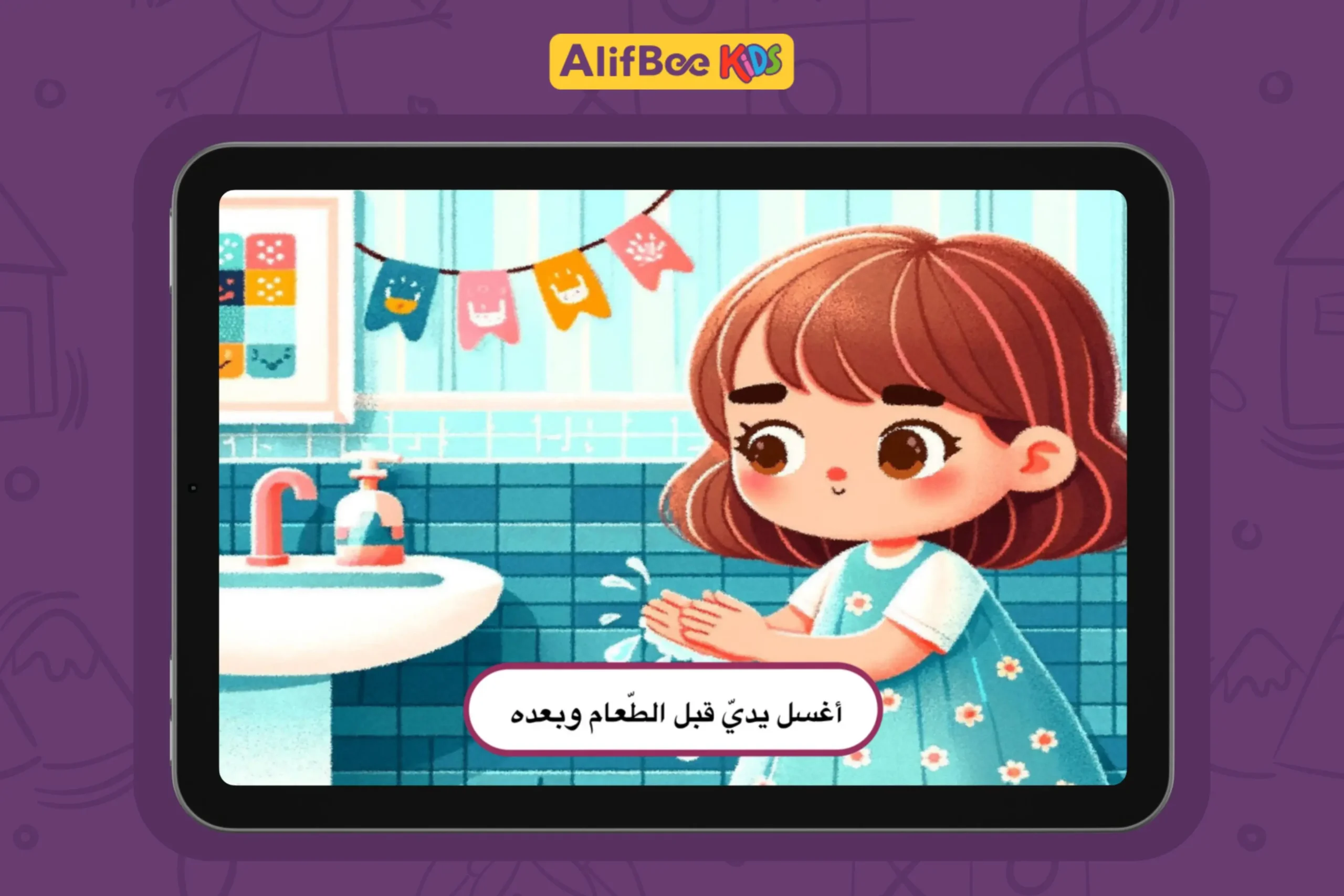
- Teaching the child table rules gradually and in a simple manner appropriate for their age, such as washing hands before eating, not talking with a full mouth, and making sure to eat quietly and respect others sitting at the table.
- Explaining the importance of sharing food with others and teaching the child the value of cooperation and respect while eating; which helps them understand that the table is not just a place for eating but a space for social interaction.
- Enhancing learning through fun activities such as preparing a list of table rules with the child and posting it in a visible place, or role-playing scenarios that simulate sitting at the table; which makes the learning process more enjoyable and encourages the child to adhere to these behaviors in their daily life.
Tips for Reinforcing Proper Behavior at the Table
To increase the effectiveness of children learning table manners, it is essential to follow a set of practical tips, which are as follows:
- Organizing and setting the table in a way that is appropriate for the child, providing utensils that suit their age, and sitting beside them while eating to monitor their behavior and guide them gently when needed.
- Avoiding harsh criticism when the child makes a mistake while eating, and instead relying on calm explanation and continuous repetition until they can understand the correct behavior and apply it naturally.
- Integrating nutritional education with teaching table manners, by explaining the importance of eating healthy foods such as vegetables and fruits, and introducing the child to their benefits in a simple way appropriate for their age.
- Raising the child’s awareness of the importance of respecting food and not wasting it, while highlighting the value of blessings and encouraging them to take an appropriate amount of food.
- Continuing to apply these practices on a daily basis; because repetition and practical experience help the child acquire habits of discipline, cleanliness, and respect, and make the table an enjoyable and beneficial educational environment.
The Role of the Family and Educational Platforms in Teaching Table Manners
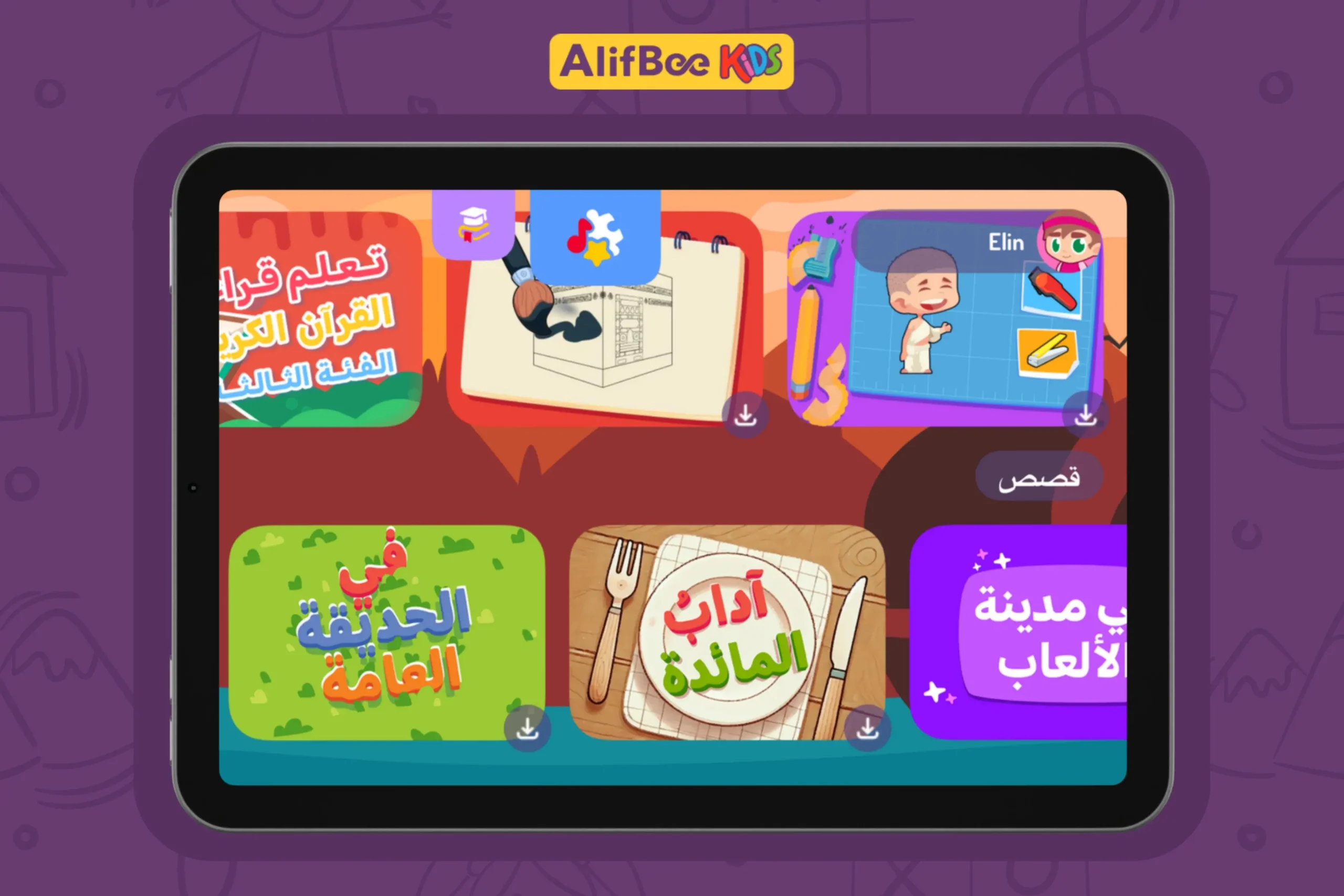
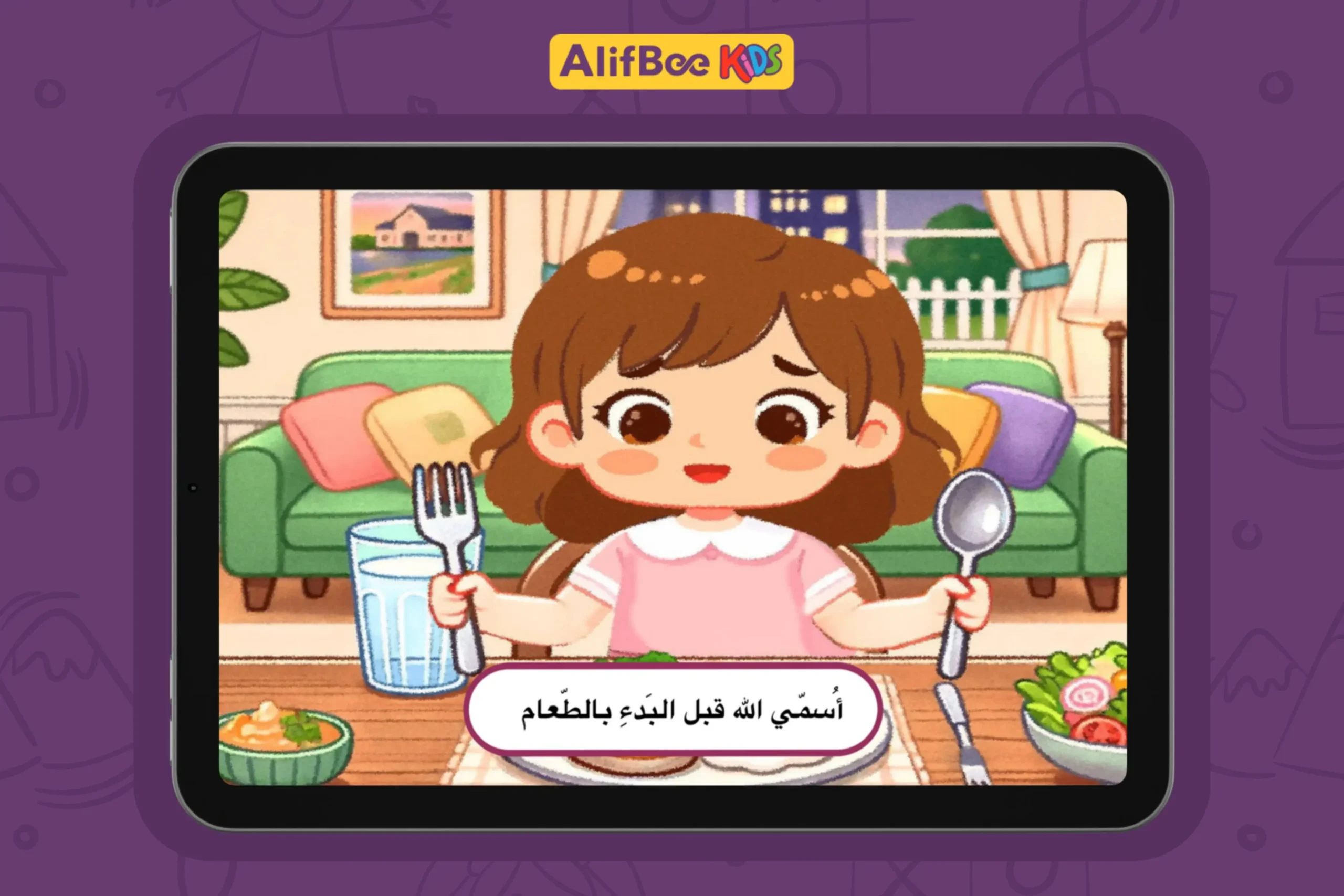
The family plays a fundamental and important role in teaching a child table manners, as it is the primary environment from which the child acquires behaviors and values. Through daily role modeling, positive rewards, and continuous follow-up, parents can naturally establish table manner rules. In addition, educational platforms such as the Alif Bee Kids app provide interactive materials and educational activities that help children learn table manners in an enjoyable way through illustrated stories, educational games, and interactive questions that encourage the child to think and make decisions. This interactive experience makes the child more aware of the importance of proper behaviors at mealtime and helps reinforce good habits in a practical and enjoyable way.
In Conclusion
Teaching children table manners is not merely training in daily behaviors, but is an essential part of their proper upbringing and the development of their social personalities. By following clear educational steps, using encouraging methods, and integrating learning with daily practice, a child can acquire healthy habits and confidently and disciplinedly practice appropriate behaviors at the table. With continuous support from the family and the use of interactive tools such as educational platforms, teaching table manners becomes an enjoyable and effective process that prepares the child for a balanced social life and teaches them the values of respect and discipline from an early age.